
Finding Dearborn Resident Records
No single Dearborn record lists everyone at an address. The city assessment record ties a parcel to its owner and tax mailing address. Wayne County deeds document transfers. Michigan voter channels confirm registration. Historical directories place a household at an address in a given year. Each answers a narrow question. A renter, an adult child, or a roommate may never appear in an owner record. A tax mailing address may even belong to a trust or a representative. It may not belong to the occupant.
Treat a name match as meaningful only after two independent records agree. A parcel number, legal description, spouse, or dated document carries far more weight. It outweighs a name alone. This Dearborn resident lookup workflow suits genealogy, estate research, tracing an old classmate through proper channels, or reconstructing the history of a place.
- Search the Dearborn assessment database by name, street address, or parcel number. Save the parcel ID and separate the physical address from the mailing address.
- Use that parcel ID, address, or legal description in the Wayne County land-record route to find the recorded owner trail.
- For a person, compare a permitted Michigan voter, court, probate, or vital-record channel with the property clue. Do not rely on a same-name result alone.
- For an older household, check the Dearborn Historical Museum and Henry Ford Centennial Library directory holdings by year and street spelling.
- When an online record is missing, ask the named custodian for a counter search, copy procedure, or focused Michigan FOIA request.
Dearborn Residents Records Offices
Record custody in Dearborn splits between the city and Wayne County. Dearborn Assessing holds the property record card. The Wayne County Register of Deeds keeps recorded land instruments, and the County Clerk handles vital, marriage, assumed-name, and court matters separately. Voter administration sits with the Michigan Secretary of State. An address result from one office never substitutes for an official record from another. After identifying the parcel, the Dearborn street directory approach builds a street-wide chain.
Wayne County Register of Deeds
400 Monroe, 7th Floor
Detroit, MI 48226
313-224-5854
Dearborn Assessing
16901 Michigan Ave., Suite 5
Dearborn, MI 48126
313-943-2140
Michigan Bureau of Elections
Registration information is statewide
Use the authorized voter route
Michigan.gov/Vote
Dearborn Property Roll Searches
Dearborn's BS&A municipality page supports global searches by address, owner name, and parcel number. Linked modules cover tax, building, sale, licensing, and detailed-record functions. Ownership questions about a physical parcel belong here first. Remember that Dearborn, not the vendor, stands behind the data. Address record-card questions and corrections to Dearborn Assessing.
| BS&A field | Type | Required | Use in a Dearborn search |
|---|---|---|---|
| Address | Text search | No | Find a physical property record |
| Name | Text search | No | Find an owner-associated record |
| Parcel Number | Identifier search | No | Match the assessor record to GIS and deeds |
| Module choice | Navigation | Yes for detailed work | Open property, tax, sale, building, or licensing functions |
See the Dearborn BS&A search screen before entering a query.
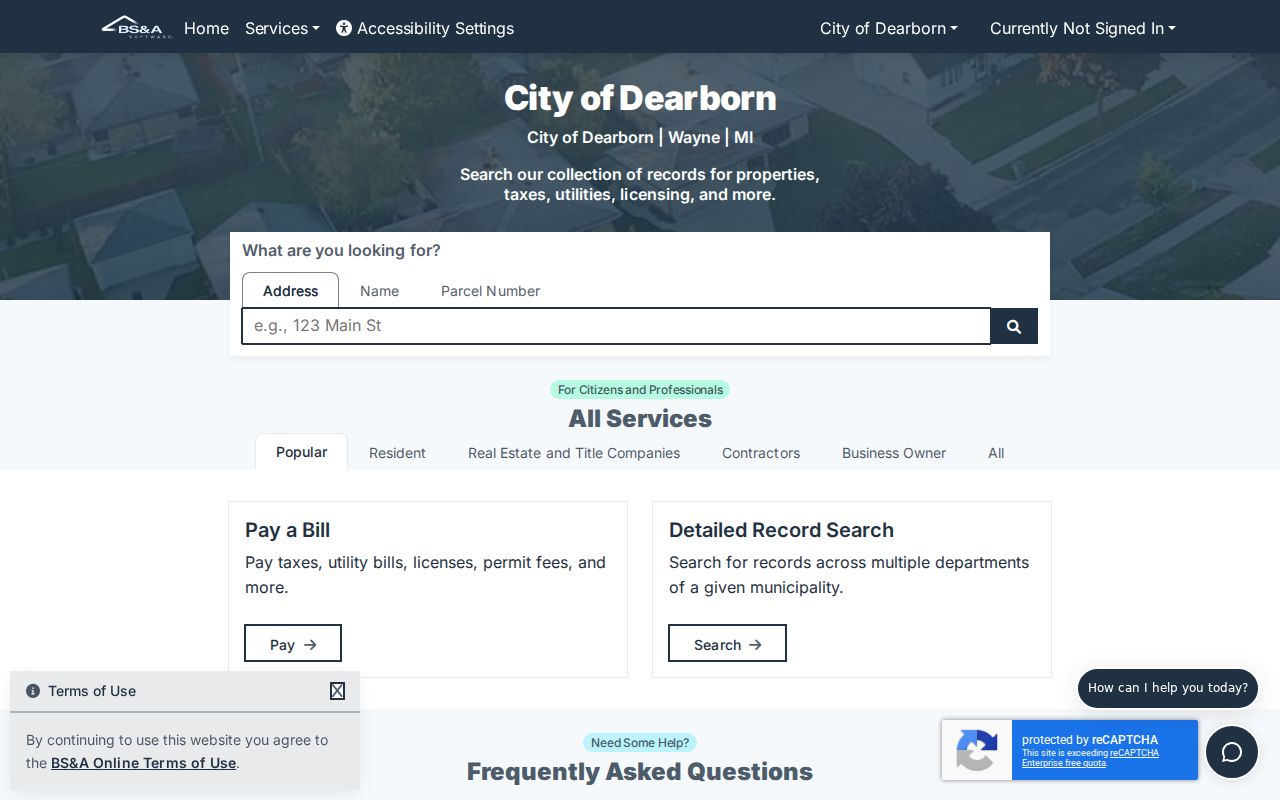
An owner result still proves little about occupancy. Units at the same address may hold people the property roll never names.
Wayne Deeds Behind Dearborn Residents
The Wayne County Register of Deeds supplies the ownership-history layer for Dearborn address research. County guidance separates a free name-only grantor or grantee listing from paid search access. Paid search widens a Dearborn search to address, legal description, parcel or tax ID, liber, page, document display, and printing. Online documents and searching reach back to January 1, 1960. Anything older needs office or mail research. Confirm the current portal cutoff before leaning on any date range.
A grantor transfers an interest. A grantee receives it. Working backward is the standard method. Take today's Dearborn parcel, and find the purchase deed naming the owner as grantee. Then use its legal description and seller as the next step. The result is a property history, not a roster of every past household.
Open the current Wayne land-record search for its account and Property Alert options.
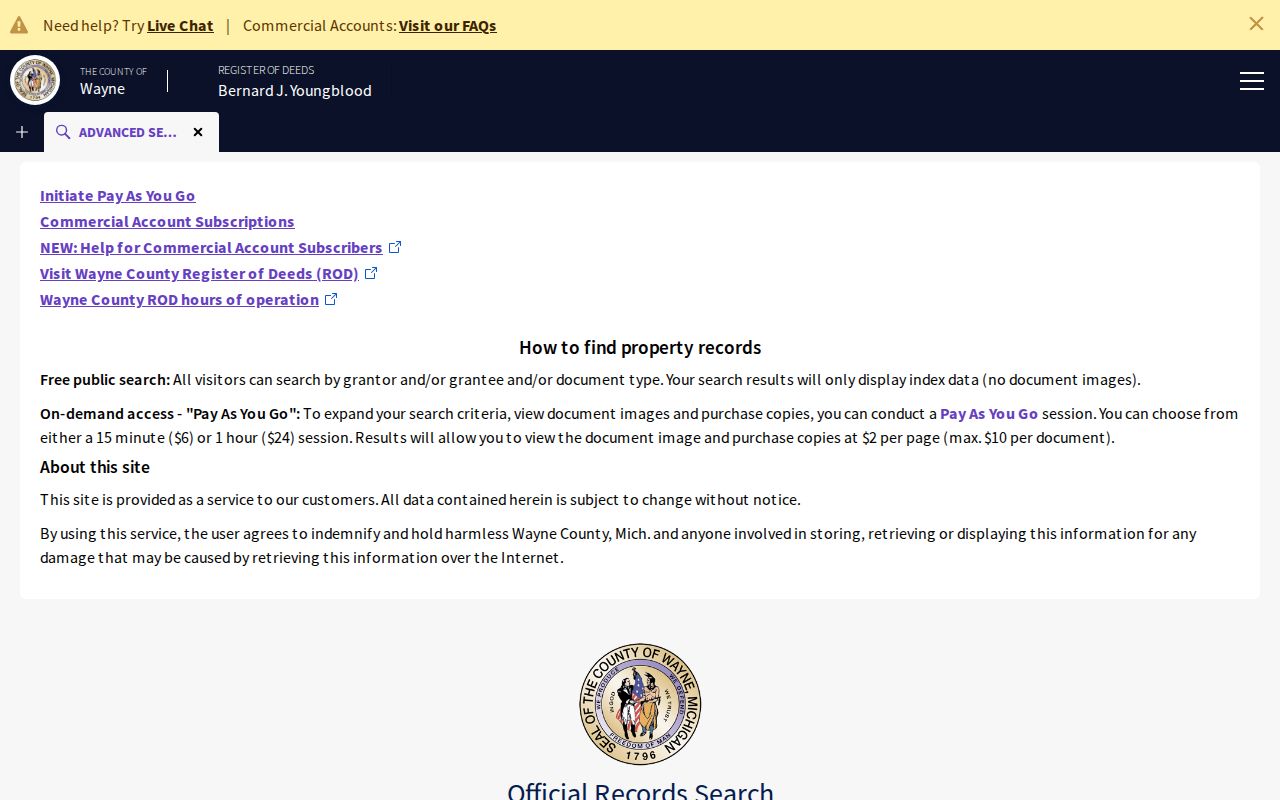
The landing screen signals a different access path than the city assessment database. Careful ownership work draws on both sources.
Current Dearborn Residents Directories
Current Dearborn sources behave as separate directories with different coverage. The property roll names owners, not residents. Michigan's voter channels concern registration, not party choice or any street roster. Court and probate indexes surface public case parties and estate roles. Yet they are not address books. Match the record to the question.
| Dearborn source | People or relationship shown | Custodian | Access route |
|---|---|---|---|
| Assessment database | Owner, parcel, situs and mailing clues | Dearborn Assessing | Free BS&A search or record card |
| Voter information and QVF | Permitted registration fields and status | Michigan Secretary of State | Personal lookup or lawful request |
| Recorded land index | Deed and instrument parties | Wayne Register of Deeds | Name listing, paid search, office or mail |
| Public case indexes | Case party, status, and procedural entries | Courts and Wayne Clerk | Portal, kiosk, or file request |
| Association contacts | Neighborhood boundary and civic contact | Dearborn associations | City map and association page |
Chasing one person instead of an address? The Dearborn resident lookup sequence compares records without mistaking a common name for an identity match.
Michigan Voter Records for Dearborn
Michigan Voter Information Center lets an individual check Dearborn registration, polling place, and ballot information. A broader Qualified Voter File request travels a separate channel. Its request form allows geography choices spanning state, county, jurisdiction, district, and ward or precinct. Rules govern delivery of the result. It is not an advertised public tool for compiling a street-by-street household list in Dearborn.
Michigan Election Law, MCL 168.509gg, shields month and day of birth. It also shields driver or state ID number, phone, email, signature, and protected-address information. Voter history records participation, never ballot contents. Those boundaries make a voter record useful for corroborating a carefully identified person while leaving gaps in an address search.
Visit Michigan Voter Information Center for the official individual lookup.
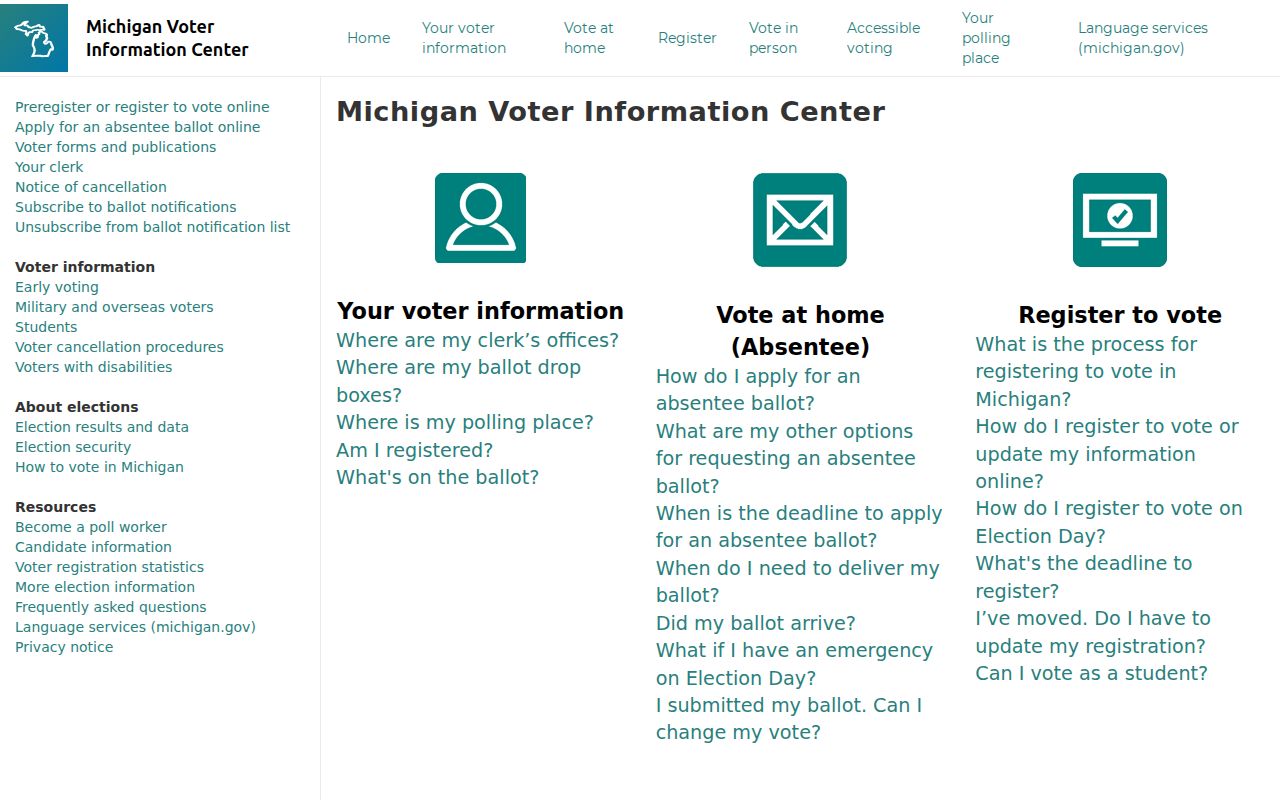
The official screen serves as a registration service, so its limits are part of using it responsibly.
Dearborn Court Name Checks
Dearborn names reach two different court systems online. The 19th District Court connects searchers to MiCOURT. Wayne County's Third Circuit runs an Odyssey public-access site. It offers limited case searches, registers of action, and civil judgments. The Third Circuit labels its online results unofficial, and no documents are posted there. A Dearborn name search also trips over people who share a name and birth date. When the online result leaves gaps, the Dearborn Clerk Records Division or a courthouse kiosk covers the rest.
A case entry can confirm what exists. It verifies a case number, party, case type, status, or procedural event. It cannot confirm where someone lives now. Tie the result to a particular Dearborn resident only after pairing it with a second record. That record can be an address, a case role, a dated deed, or a vital event. Review the Third Circuit public-access notice before relying on any online result.
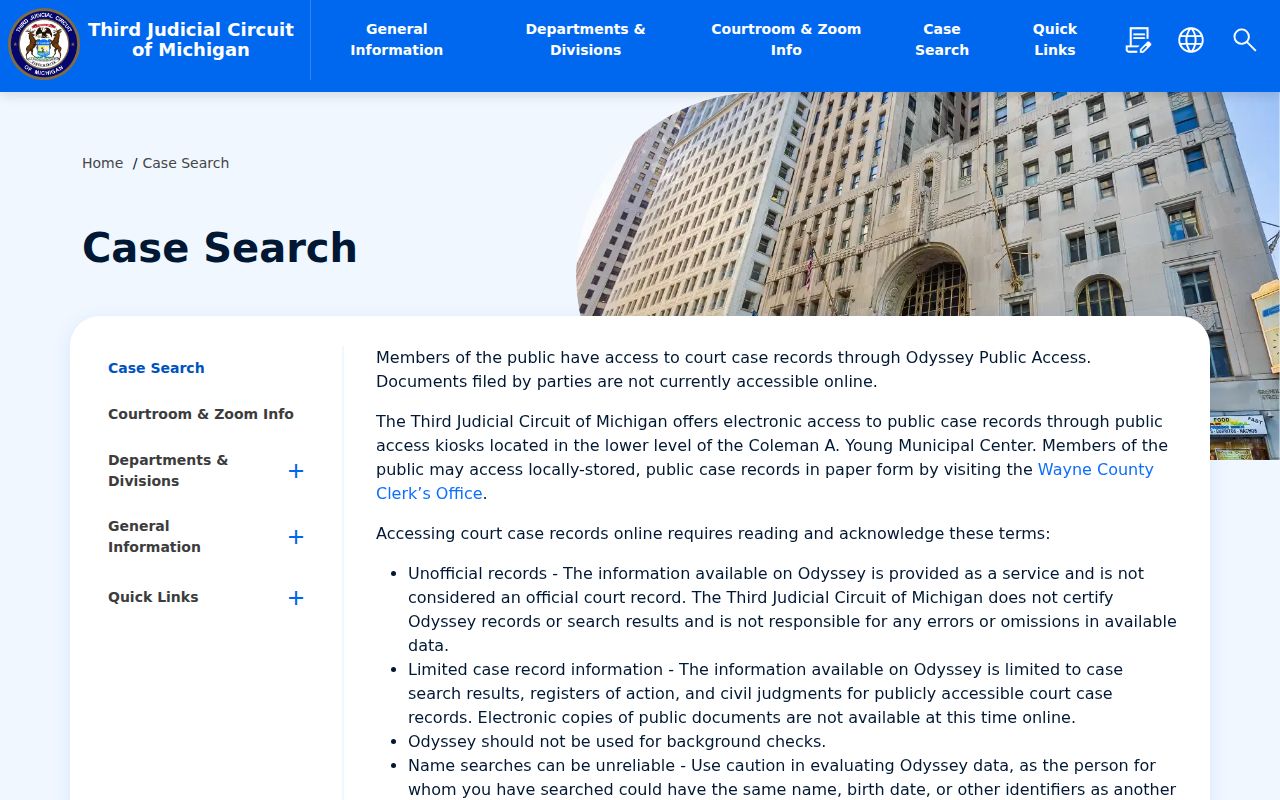
The notice spells out the online limits and points to the courthouse access route for confirmation.
Dearborn Vital-Record Confirmations
Births and deaths inside Dearborn start with the Dearborn City Clerk. Events filed anywhere in Michigan since 1867 run through state MDHHS. Current birth records carry access limits under MCL 333.2882, including a 100-year rule, while death, marriage, and divorce certificates allow broader written-request access after the search fee. A state verification confirms only limited filing facts and is not a full certificate.
The clerk takes local requests in person or by mail. The state offers online and phone ordering through VitalChek, plus mail, drop box, appointment, and Will Call options. Match the office to the event: a Dearborn clerk cannot process something that happened outside city limits. Use the Michigan vital-record ordering page for current channels and eligibility.
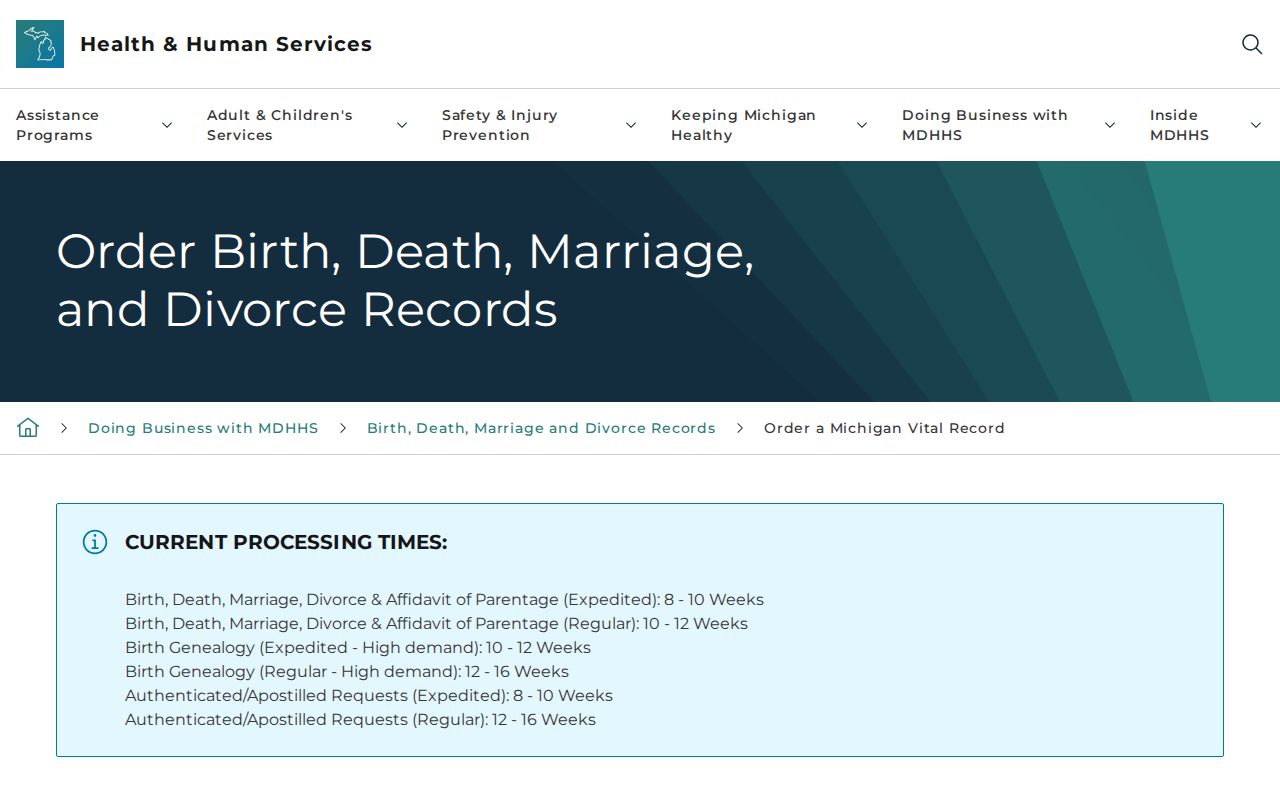
The service menu explains why a certificate request carries more eligibility and delivery rules than a basic index search. One office verifies; the other actually issues.
Dearborn FOIA and Missing Records
When a Dearborn city record is public but not posted online, Michigan FOIA is a fallback. Dearborn requests a written submission that identifies the requester, contact information, and Dearborn records sought; its city page directs general requests to FOIA@dearborn.gov and uses a separate police portal. Michigan FOIA, 1976 PA 442, MCL 15.231 through 15.246, sets a five-business-day response period with one possible ten-business-day extension.
A focused request describes a date range, address, record type, and known department. Fees can cover searching, examination, review, separation, copying, and mailing under MCL 15.234. A request cannot open restricted records or replace the ordinary order route for a vital certificate.
Read the Dearborn FOIA requirements before submitting a request.
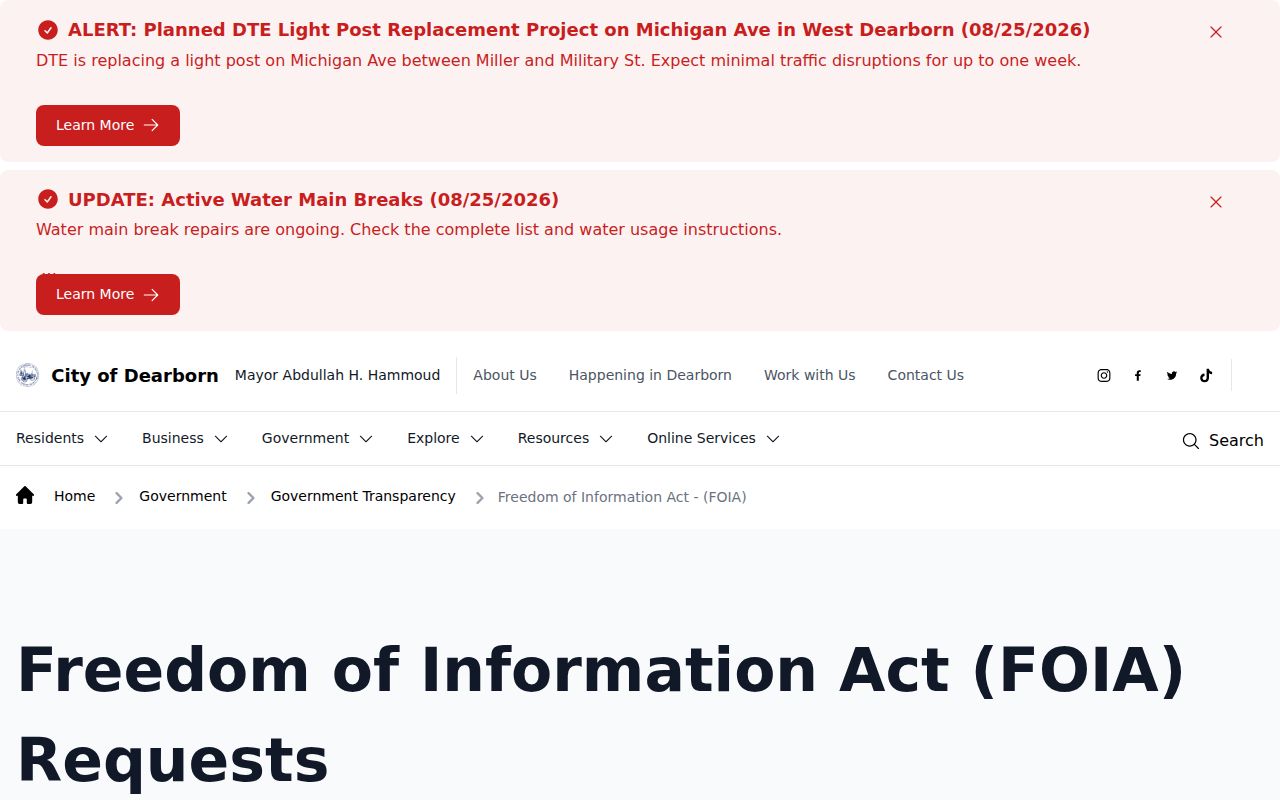
The city's request guidance pays off after the ordinary portal and counter options have been checked first.
Historic Dearborn Residents Directories
Dearborn's historical shelf runs unusually deep. The Historical Museum reports Polk City Directories spanning 1926 through 2001. Yearbooks, newspapers, survey cards, family files, and organization records sit alongside them. The Dearborn Genealogical Society lists named Polk and Bresser runs at Henry Ford Centennial Library. A Polk volume can carry household, occupation, and business details. Bresser's criss-cross material works as an address-based companion.
Old labels demand care. Dearborn and Fordson consolidated on January 15, 1929. Earlier material may say Fordson, Springwells, Dearborn Township, or Dearborn. A missing name only means that volume skipped it. For publisher runs, access routes, and how to read an entry, see the Dearborn city directory collections.
Access details matter too. The Historical Museum works by appointment at the McFadden-Ross House. Simple research is possibly free. Advanced research, copies, and scans carry charges. The library's local-history route also points to its city-directory catalog. It covers the Ford Collection, obituary requests, and newspaper holdings. Those channels reach years and old addresses a digital search misses.
Fordson Names in Dearborn Records
The 1929 Fordson-Dearborn consolidation works as a practical records clue. A modern Dearborn address may sit under Fordson or Springwells in any directory, newspaper, map, or property trail created before consolidation. Any pre-consolidation record may use the older name. Tireman still traces the old Springwells Township north border in eastern Dearborn. So when a modern street search fails in a historic volume, compare the legal description, the plat, nearby cross streets, and the older municipal name. Only then conclude the record is absent.
This geography is exactly why local materials beat a simple name search. The city archive's 1979 survey cards, for instance, photograph surviving structures built in 1929 or earlier. They date a house, not its occupants. That will not identify an occupant. It can still support a carefully dated house-history trail.
Michigan Status and Safety Searches
Some Michigan systems answer specialized questions rather than general Dearborn residence questions. MDOC OTIS covers people in state custody or on supervision. Records stay available for three years after discharge. It skips the Wayne County jail and many older Dearborn records. Michigan's public offender registry supports person, address, county, ZIP, and radius searches for registrable information. It excludes juvenile records. Both have scope limits, so neither works as a general Dearborn address directory.
Official systems state their source and scope plainly. Commercial people-search categories, by contrast, can blend stale address associations with same-name records. Use primary custodian records for personal, lawful research. Never use any result to stalk, harass, or harm anyone. Check Michigan OTIS for its current scope statement.
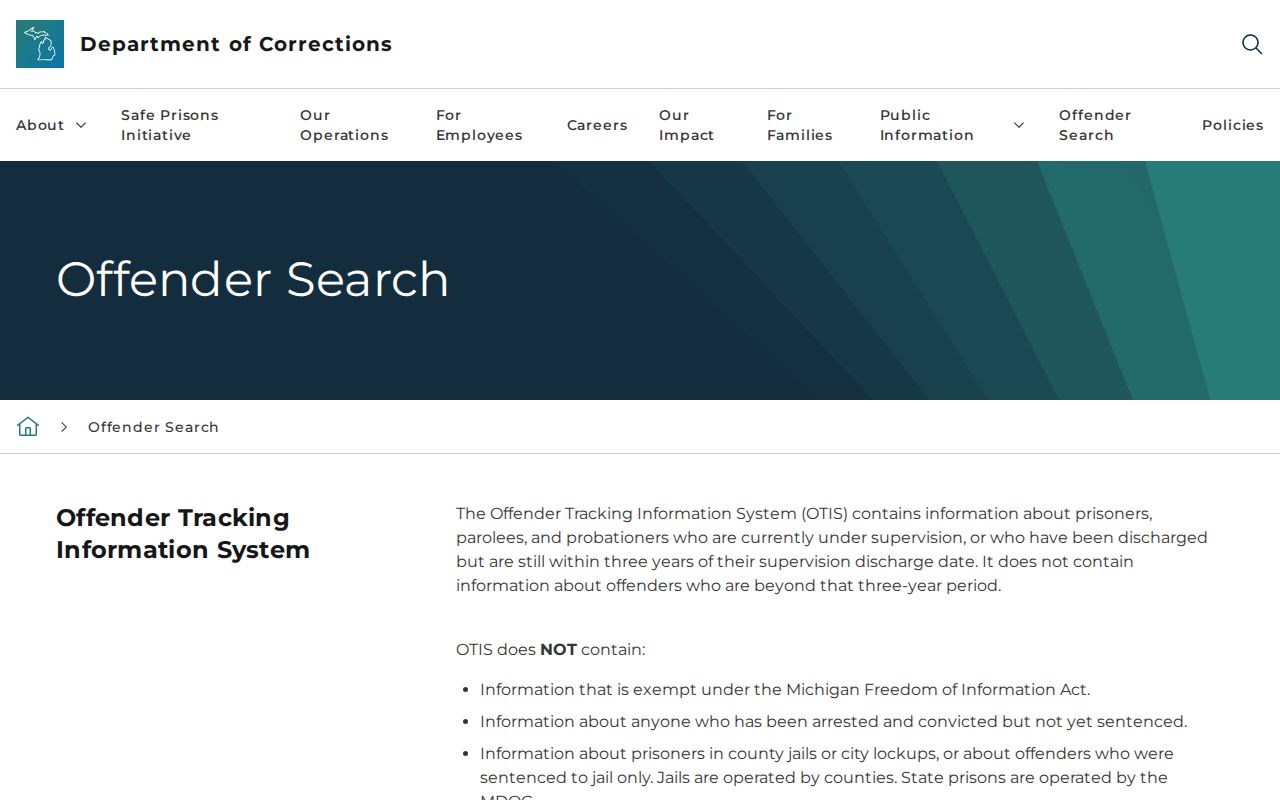
OTIS only covers people in state custody or under supervision. That scope is far narrower than any Dearborn residents directory lookup.
Use the Michigan registry search within the limits the registry itself sets.
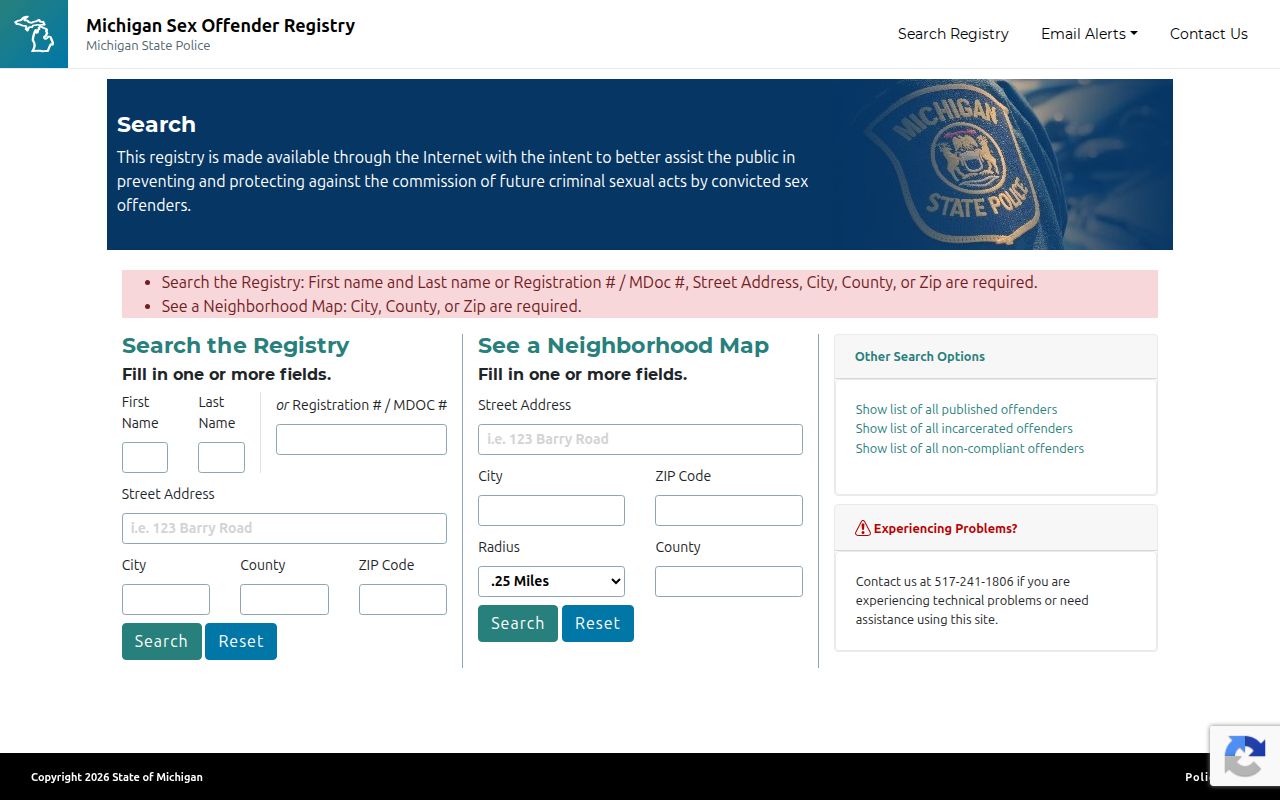
The registry's address and radius filters are search tools. They prove nothing about who lives in a Dearborn household.
Dearborn License and Business Clues
A license or business filing can separate two Dearborn residents who share a name. Michigan LARA's Verify a License service shows a licensee's profession and status. It also lists issue and expiration dates and any discipline. The MiBusiness Registry searches entities and the individuals tied to them. This follows the 2025 portal change. These records confirm a professional or filing relationship in Dearborn. They do not confirm a current home address.
Corroboration is where they shine. Set a name, date, profession, or filing address beside a parcel or court fact. You can also use a historical city directory fact. If something looks wrong, ask the custodian to fix its own record. MiPLUS sells a certified license verification for $15 per license.
Use the Michigan LARA license reports for the fields the service lists.
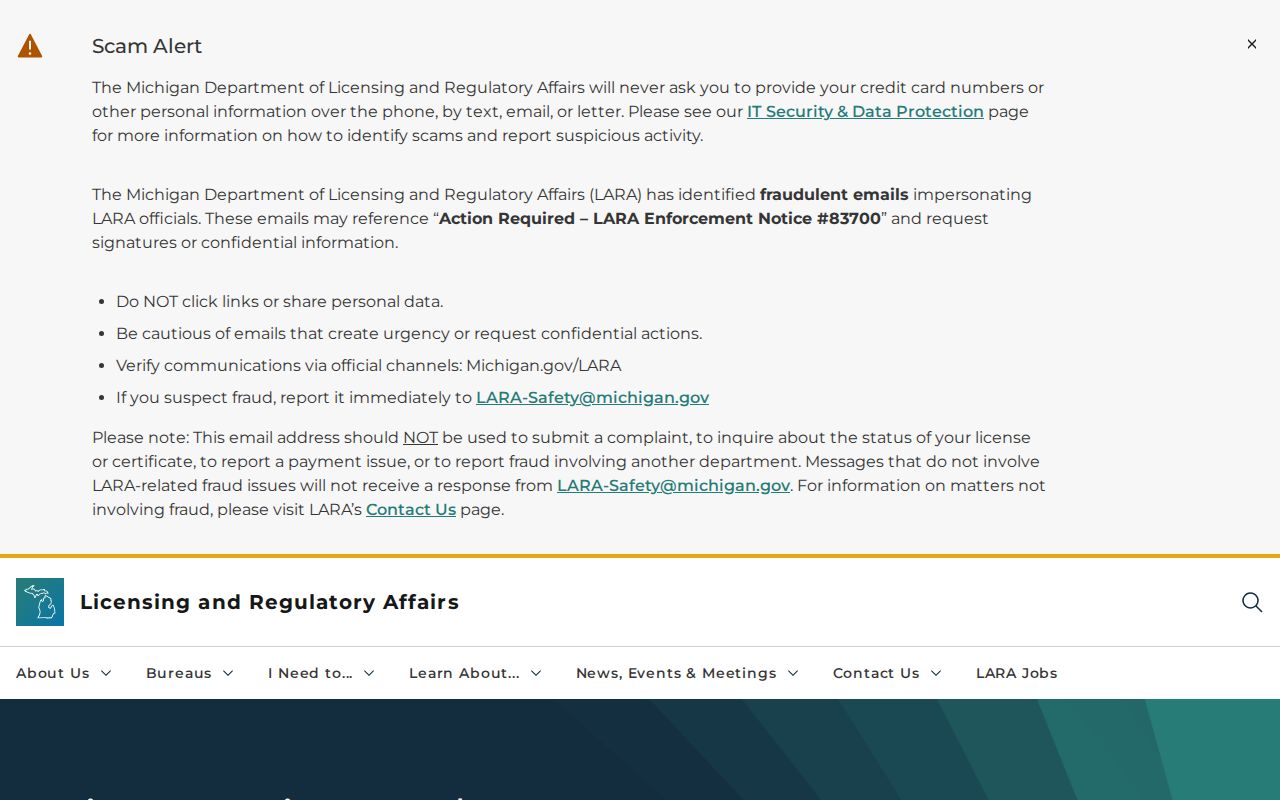
The state's report categories show what a verification source looks like. Keep that record apart from any address record.
Dearborn Residents Privacy Limits
Michigan public-record access has firm limits for Dearborn searches. The Address Confidentiality Program gives eligible people at risk a substitute address plus protected handling of their Dearborn voter registration. Federal Driver's Privacy Protection Act rules restrict driver and vehicle personal information. Michigan's Vehicle Code, MCL 257.208c, does the same. Dearborn court records may be sealed or suppressed. Vital records carry their own eligibility rules.
Use records lawfully. Dearborn residents directory research can support family history, estate work, civic transparency, and personal safety awareness. It must never be used to stalk, harass, threaten, impersonate, or harm a person.
Note: A missing record may reflect a legal protection, a different custodian, a date gap, or a wrong search term.