
Finding Dearborn Resident Records
Dearborn residents can appear in several public records, but each one answers a narrow question. The City of Dearborn assessment record connects a Dearborn parcel to its owner and tax mailing address. Wayne County deeds connect people to recorded transfers. Michigan voter materials can confirm registration information through the permitted channels, and Dearborn historical directories place a household at an address in a given year. None is a household roster. A renter, adult child, or roommate may not appear in an owner record, and a tax mailing address can belong to a trust or representative rather than the person at the property.
Use two independent records before treating a name match as meaningful. A Dearborn parcel number, legal description, spouse, address, or dated document is stronger than a name alone. The main Dearborn record workflow is especially useful for genealogy, reconnecting with an old classmate through a proper channel, estate research, or checking the history of a place.
- Search the Dearborn assessment database by name, street address, or parcel number. Save the parcel ID and separate the physical address from the mailing address.
- Use that parcel ID, address, or legal description in the Wayne County land-record route to find the recorded owner trail.
- For a person, compare a permitted Michigan voter, court, probate, or vital-record channel with the property clue. Do not rely on a same-name result alone.
- For an older household, check the Dearborn Historical Museum and Henry Ford Centennial Library directory holdings by year and street spelling.
- When an online record is missing, ask the named custodian for a counter search, copy procedure, or focused Michigan FOIA request.
Dearborn Residents Records Offices
Dearborn and Wayne County divide record custody. Dearborn Assessing keeps the property-facing record card. The Wayne County Register of Deeds keeps Dearborn recorded land instruments, while the County Clerk has separate vital, marriage, assumed-name, and court responsibilities. The Michigan Secretary of State keeps Dearborn voter administration records. This division matters: an address result from one office is not a substitute for an official record from another. For a street-wide chain, use the Dearborn street directory approach after identifying the parcel.
Wayne County Register of Deeds
400 Monroe, 7th Floor
Detroit, MI 48226
313-224-5854
Dearborn Assessing
16901 Michigan Ave., Suite 5
Dearborn, MI 48126
313-943-2140
Michigan Bureau of Elections
Registration information is statewide
Use the authorized voter route
Michigan.gov/Vote
Dearborn Property Roll Searches
Dearborn’s BS&A municipality page advertises global searches by address, owner name, and parcel number. Its linked modules also identify Dearborn tax, building, sale, licensing, and detailed-record functions. Start with the Dearborn property record when the question is ownership or a physical parcel. Dearborn, not the vendor, is responsible for the information shown, so record-card questions and corrections belong with Dearborn Assessing.
| BS&A field | Type | Required | Use in a Dearborn search |
|---|---|---|---|
| Address | Text search | No | Find a physical property record |
| Name | Text search | No | Find an owner-associated record |
| Parcel Number | Identifier search | No | Match the assessor record to GIS and deeds |
| Module choice | Navigation | Yes for detailed work | Open property, tax, sale, building, or licensing functions |
See the Dearborn BS&A search screen before entering a query.
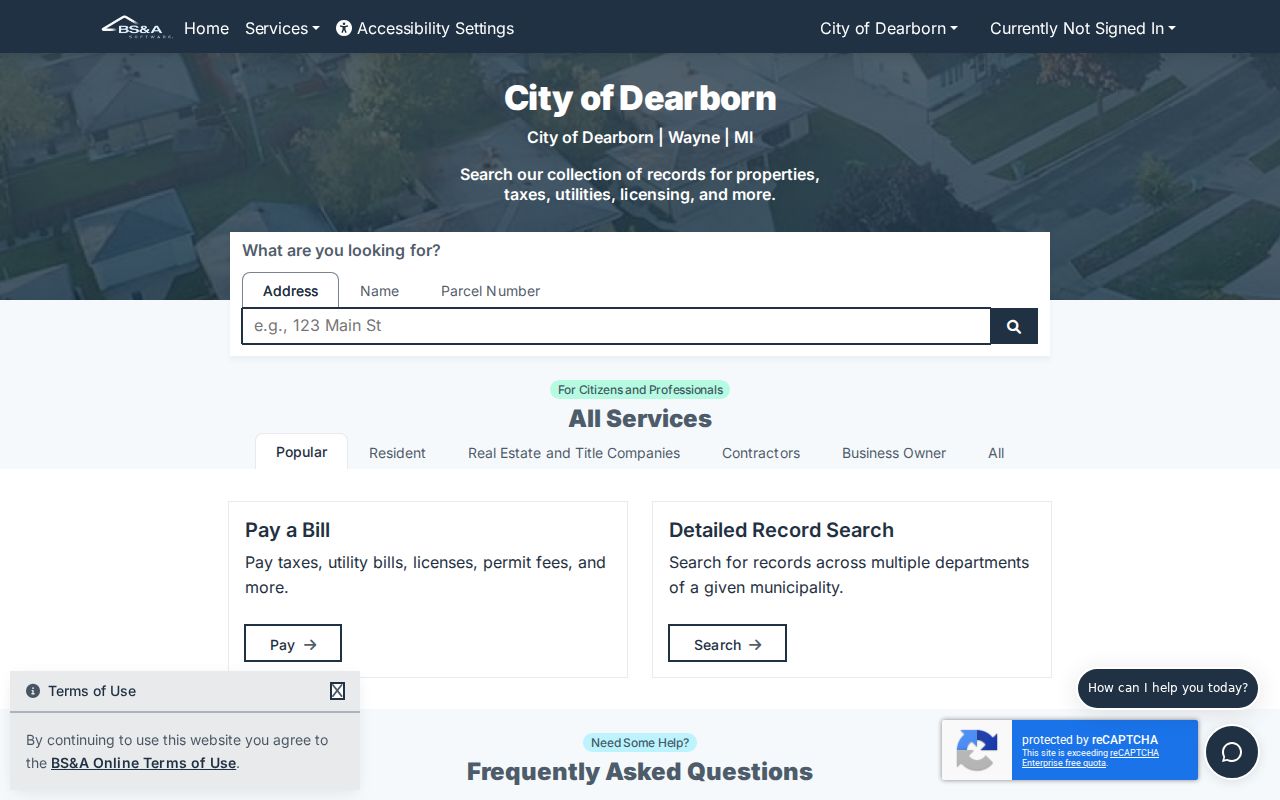
The search choices are useful starting points, but an owner result does not prove who occupies every unit at the address.
Wayne Deeds Behind Dearborn Residents
The Wayne County Register of Deeds is the ownership-history layer for Dearborn address research. County guidance distinguishes a free name-only grantor or grantee listing from paid search access that can expand a Dearborn search to address, legal description, parcel or tax ID, liber, page, document display, and printing. County guidance says online documents and searching reach back to January 1, 1960, while older Dearborn work requires office or mail research. Check the current portal cutoff before relying on a date range.
A grantor is the party transferring an interest; a grantee is the party receiving it. Start with today’s Dearborn parcel, locate the purchase deed under the owner as grantee, then use its legal description and seller as the next step backward. This method follows a Dearborn property history, not a list of every past household.
Open the current Wayne land-record search for its account and Property Alert options.
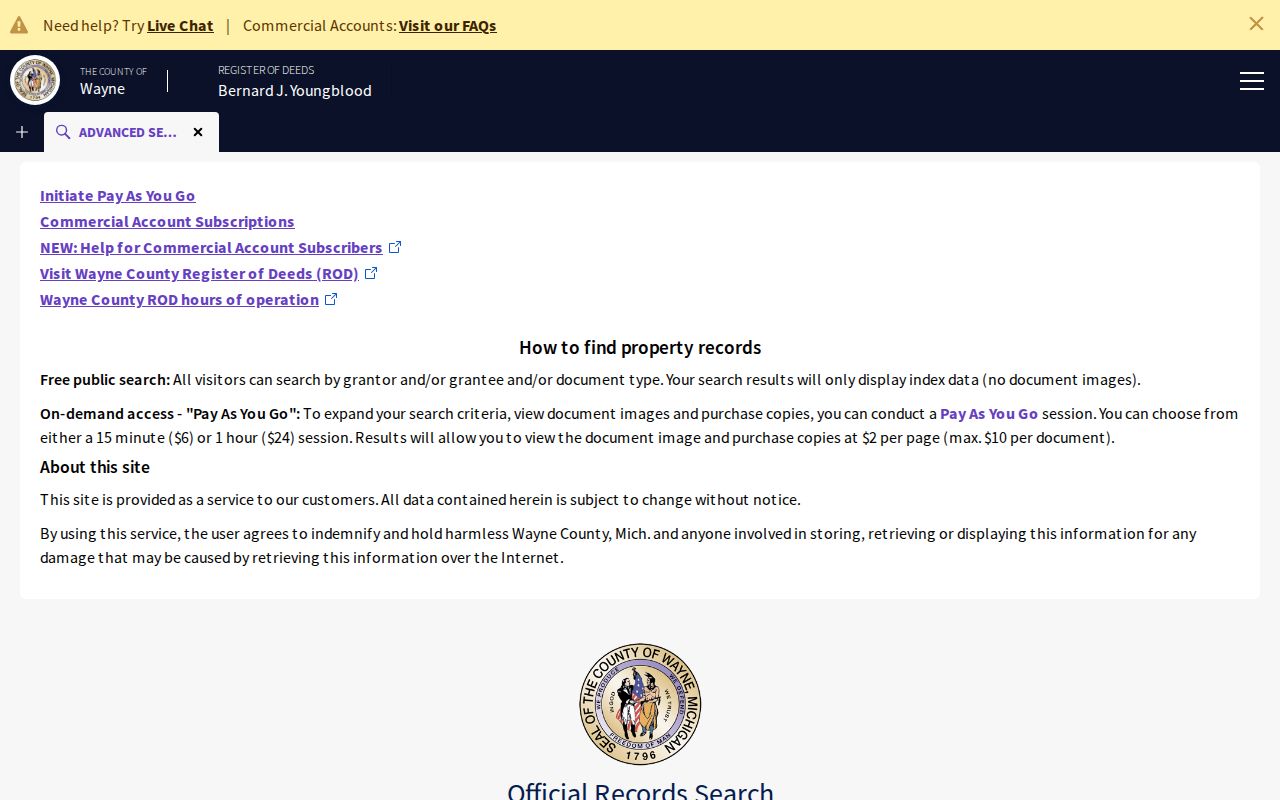
The landing screen signals a different access path from the city assessment database, which is why both sources belong in a careful ownership search.
Current Dearborn Residents Directories
Current Dearborn sources are best treated as separate directories with different coverage. The Dearborn property roll identifies owners, not all residents. Michigan’s voter channels concern registration, not party choice or a public street roster. Dearborn court and probate indexes can identify public case parties and estate roles, but they are not address books. The table helps select the record that matches the question.
| Dearborn source | People or relationship shown | Custodian | Access route |
|---|---|---|---|
| Assessment database | Owner, parcel, situs and mailing clues | Dearborn Assessing | Free BS&A search or record card |
| Voter information and QVF | Permitted registration fields and status | Michigan Secretary of State | Personal lookup or lawful request |
| Recorded land index | Deed and instrument parties | Wayne Register of Deeds | Name listing, paid search, office or mail |
| Public case indexes | Case party, status, and procedural entries | Courts and Wayne Clerk | Portal, kiosk, or file request |
| Association contacts | Neighborhood boundary and civic contact | Dearborn associations | City map and association page |
When the objective is one person rather than an address, use the Dearborn resident lookup sequence to compare records without mistaking a common name for an identity match.
Michigan Voter Records for Dearborn
Michigan Voter Information Center is designed for an individual to check Dearborn registration, polling place, and ballot information. A broader Qualified Voter File request follows a different channel. The request form permits geography choices such as state, county, jurisdiction, district, and ward or precinct, and it has rules about how the result is delivered. It is not an advertised public tool for making a Dearborn street-by-street household list.
Michigan Election Law, MCL 168.509gg, protects month and day of birth, driver or state ID number, phone, email, signature, and protected-address information. Michigan voter history records participation, not the contents of a ballot. Those boundaries explain why a voter record can corroborate a carefully identified person but cannot fill all gaps in a local address search.
Visit Michigan Voter Information Center for the official individual lookup.
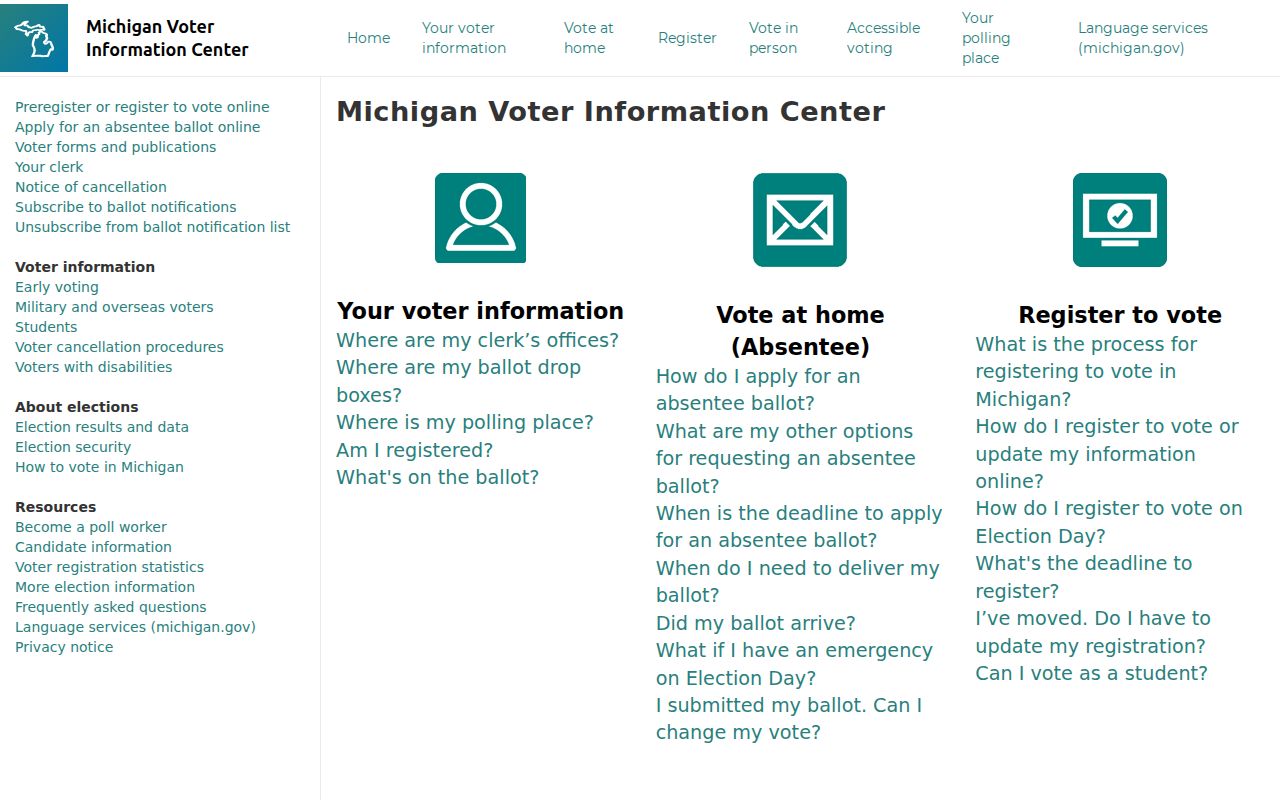
The official screen is a registration service, so its limits are part of using it responsibly.
Dearborn Court Name Checks
Dearborn’s 19th District Court links users to MiCOURT, while Wayne County Third Circuit’s Odyssey public access offers limited case searches, registers of action, and civil judgments. Third Circuit says online results are unofficial, documents are not posted, and a Dearborn name search can confuse people who share a name and birth date. The Dearborn Clerk Records Division or courthouse kiosk is the fallback for material that the online result does not show.
Case entries can confirm that a case number, party, type, status, or procedural event exists. They do not confirm a current home address. The result needs a second record such as an address, case role, dated deed, or vital event before it is tied to a particular Dearborn resident.
Review the Third Circuit public-access notice before using an online result.
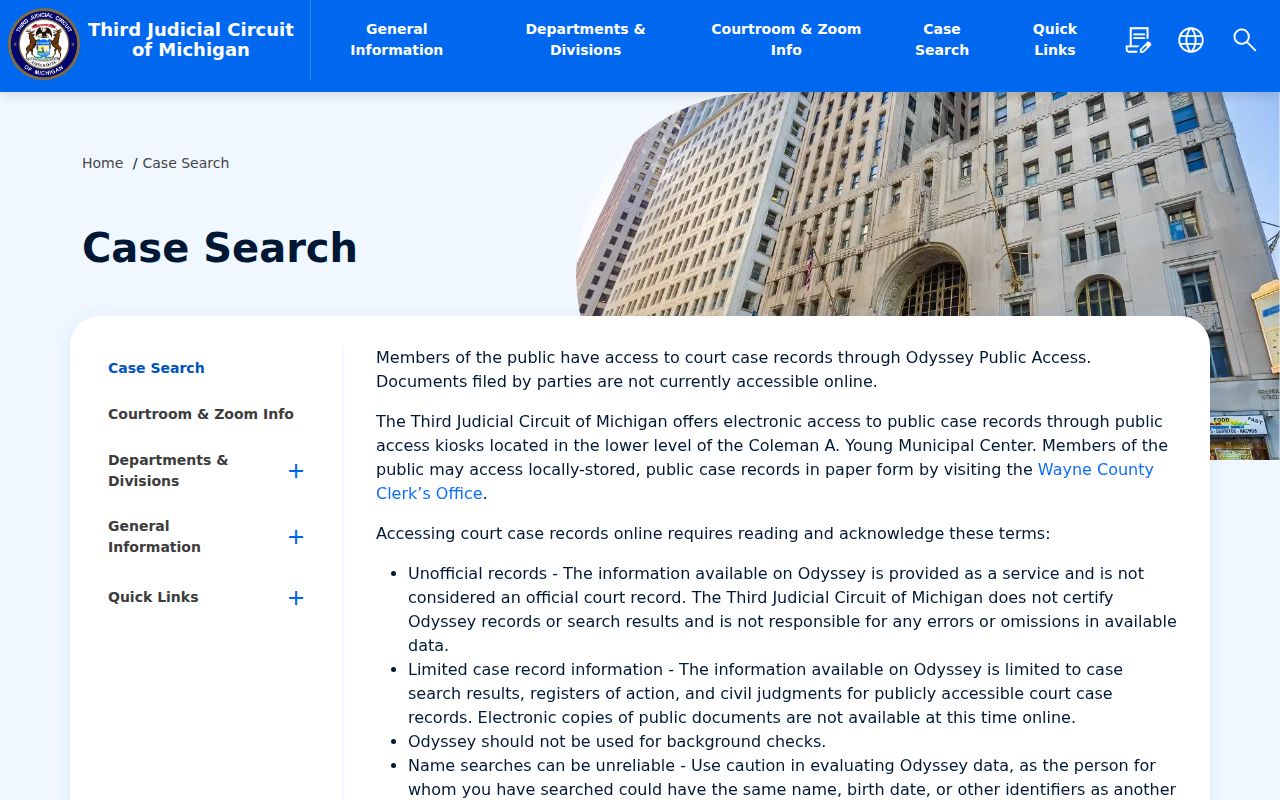
The notice makes the online limits clear and points toward the courthouse access route for confirmation.
Dearborn Vital-Record Confirmations
For events inside Dearborn, the Dearborn City Clerk handles birth and death certificate requests. Michigan MDHHS handles statewide records filed from 1867. Current birth records have access limits under MCL 333.2882, including a 100-year rule; death, marriage, and divorce certificates have broader written-request access after the search fee. A state verification may confirm limited filing facts and is not the same as a full certificate.
Local requests can be made in person or by mail, and the state offers online or phone ordering through VitalChek, mail, drop box, appointment, and Will Call options. Use the office that holds the event, because a Dearborn clerk cannot process an event that happened outside city limits.
Use the Michigan vital-record ordering page for current order channels and eligibility.
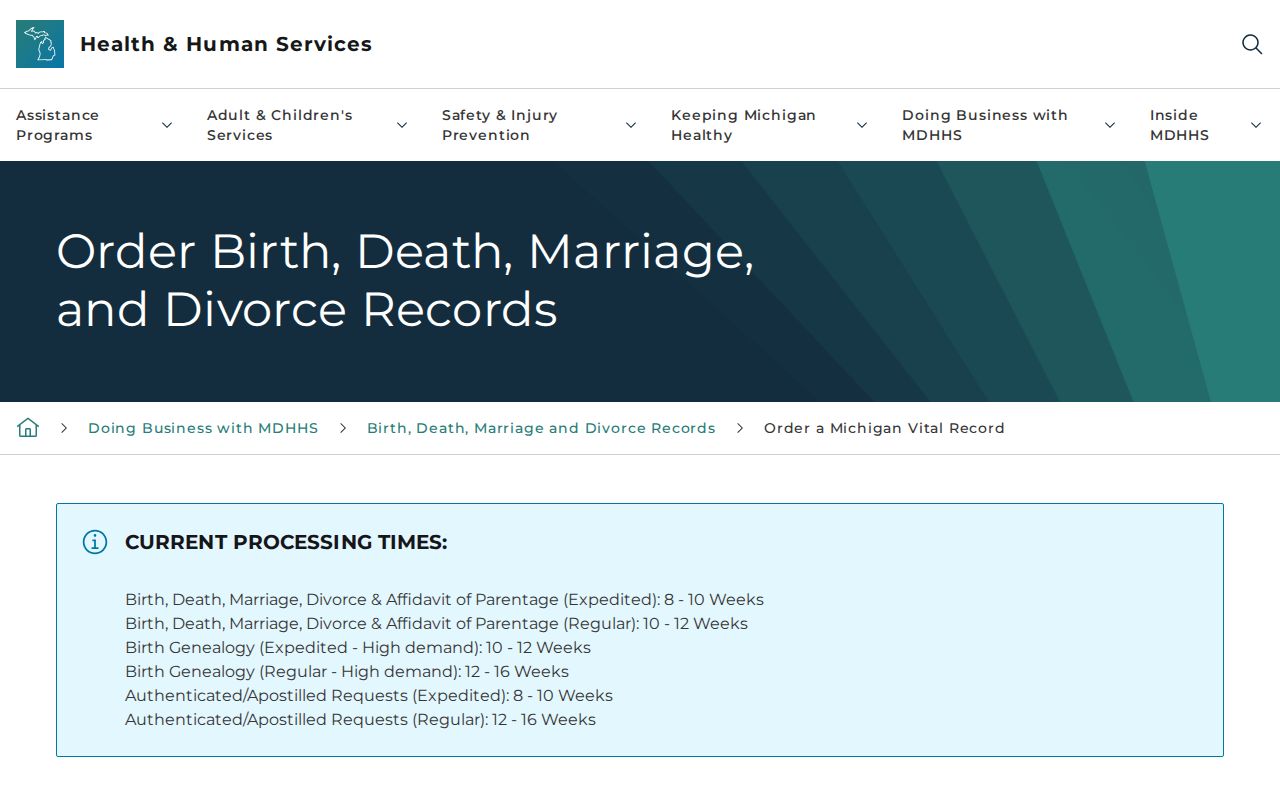
The service menu shows why a certificate request has more eligibility and delivery rules than a basic index search.
Dearborn FOIA and Missing Records
When a Dearborn city record is public but not posted online, Michigan FOIA is a fallback. Dearborn requests a written submission that identifies the requester, contact information, and Dearborn records sought; its city page directs general requests to FOIA@dearborn.gov and uses a separate police portal. Michigan FOIA, 1976 PA 442, MCL 15.231 through 15.246, sets a five-business-day response period with one possible ten-business-day extension.
A focused request describes a date range, address, record type, and known department. Fees can cover searching, examination, review, separation, copying, and mailing under MCL 15.234. A request cannot open restricted records or replace the ordinary order route for a vital certificate.
Read the Dearborn FOIA requirements before submitting a request.
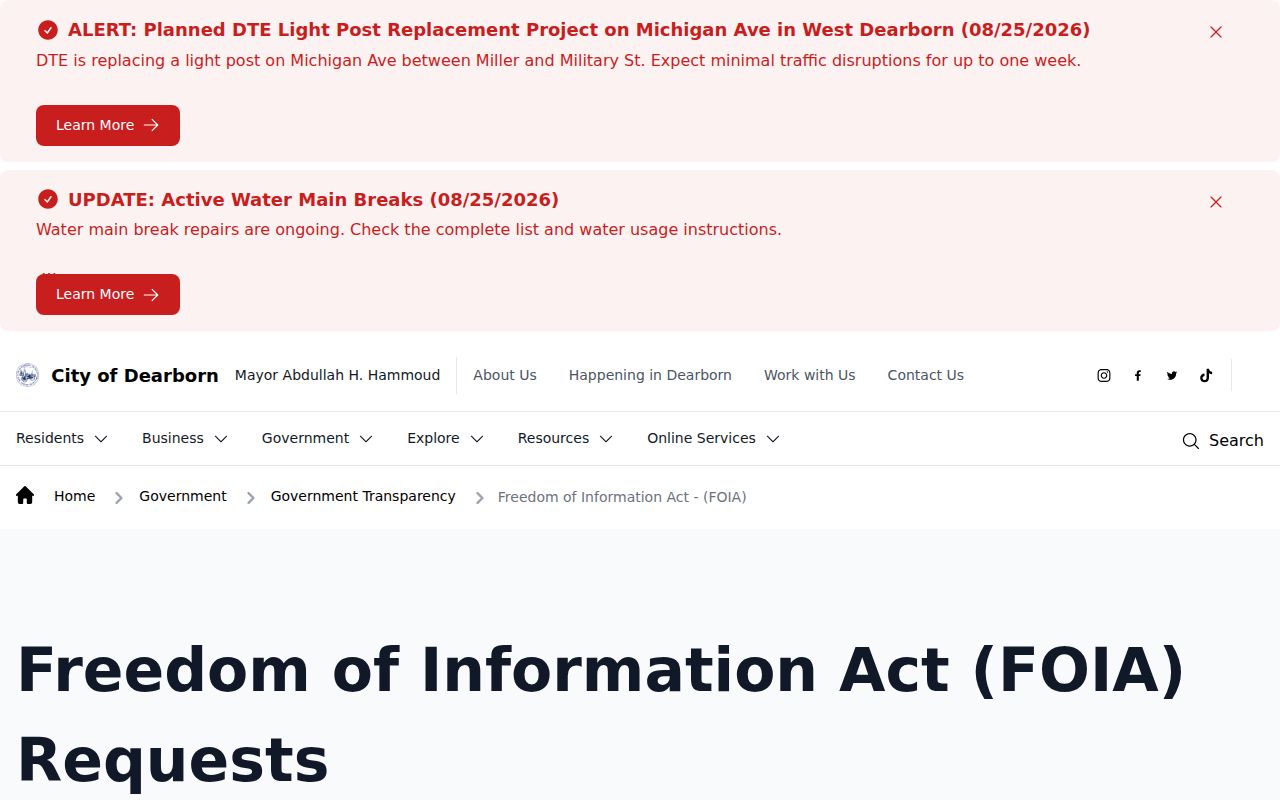
The city’s request guidance is most useful after the ordinary record portal and counter options have been checked.
Historic Dearborn Residents Directories
Dearborn’s historical shelf is unusually deep. The Historical Museum reports Polk City Directories from 1926 through 2001, plus yearbooks, newspapers, survey cards, family files, and organization records. The Dearborn Genealogical Society lists named Polk and Bresser runs at Henry Ford Centennial Library. Polk volumes can include household, occupation, and business information, while Bresser’s criss-cross material is an address-based companion.
Old labels need special care. Dearborn and Fordson consolidated on January 15, 1929, and earlier material can use Fordson, Springwells, Dearborn Township, or Dearborn. A missing name only means it was not listed in that volume. For publisher runs, access routes, and how to read an entry, see the Dearborn city directory collections.
The Historical Museum operates by appointment at the McFadden-Ross House and reports that simple research may be free, while advanced research, copies, and scans can carry charges. The library’s local-history route also points researchers to its city-directory catalog, Ford Collection, obituary requests, and newspaper holdings. These access channels matter when a digital search does not reach a specific year or old address.
Fordson Names in Dearborn Records
The 1929 Fordson-Dearborn consolidation is a practical records clue. A modern Dearborn address may appear under Fordson or Springwells in a directory, newspaper, map, or property-related trail created before consolidation. Tireman also follows the old Springwells Township north border in eastern Dearborn. When a modern street search fails in a historic volume, compare the legal description, plat, nearby cross streets, and older municipal name instead of assuming the record is absent.
This geography is one reason local materials add value beyond a simple name search. The city archive’s 1979 survey cards, for example, include photographs of surviving structures built in 1929 or earlier. That does not identify an occupant, but it can support a carefully dated house-history trail.
Michigan Status and Safety Searches
Several Michigan systems answer specialized questions rather than general Dearborn residence questions. MDOC OTIS covers people in state custody or supervision and remains available for three years after discharge; it does not cover the Wayne County jail or all older Dearborn records. Michigan’s public offender registry supports person, address, county, ZIP, and radius searches for registrable information and excludes juvenile records. Both have scope limits, so neither should be used as a general Dearborn address directory.
Official systems are clearer about source and scope than commercial people-search categories, which can blend stale address associations and same-name records. Use primary custodian records for personal, lawful research, and do not use any result to stalk, harass, or harm anyone.
Check Michigan OTIS for its current scope statement.
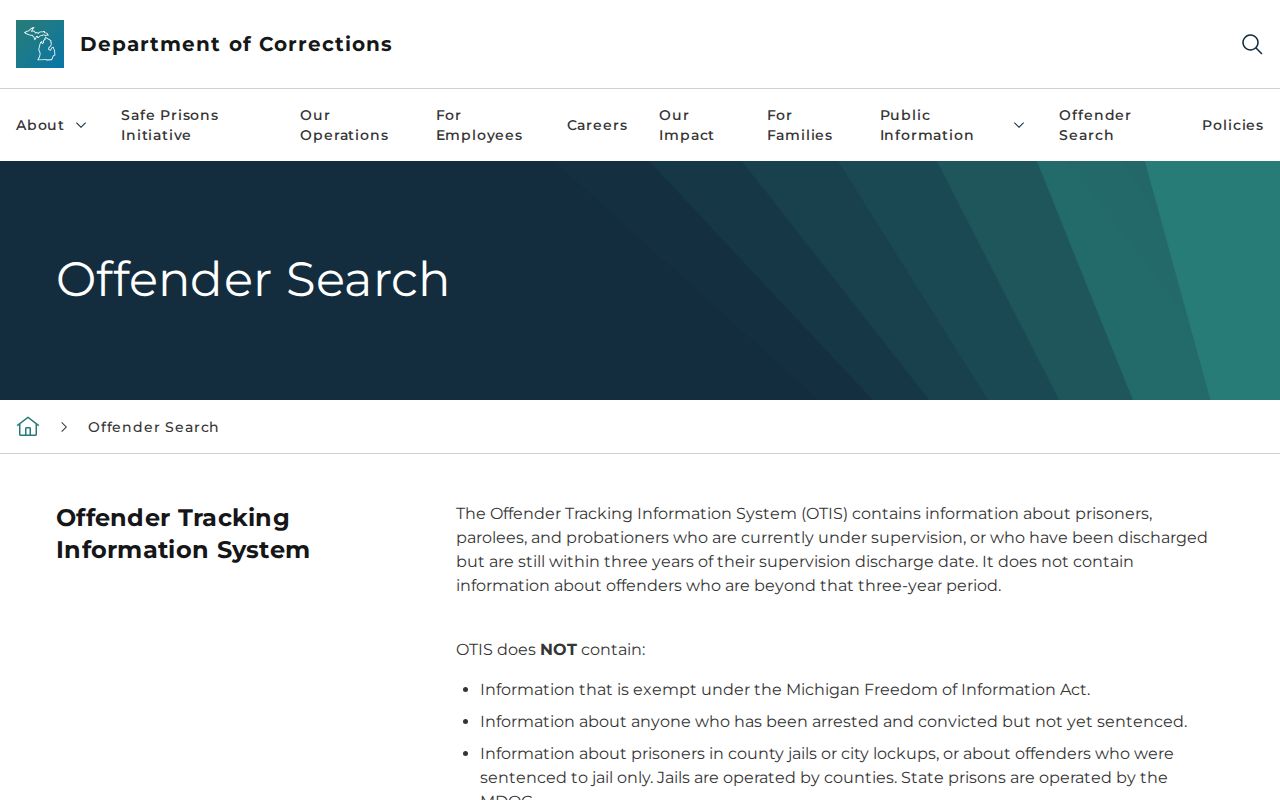
OTIS identifies its custody and supervision scope, which is narrower than a general local-directory search.
Use the Michigan registry search only within the limits set by the registry.
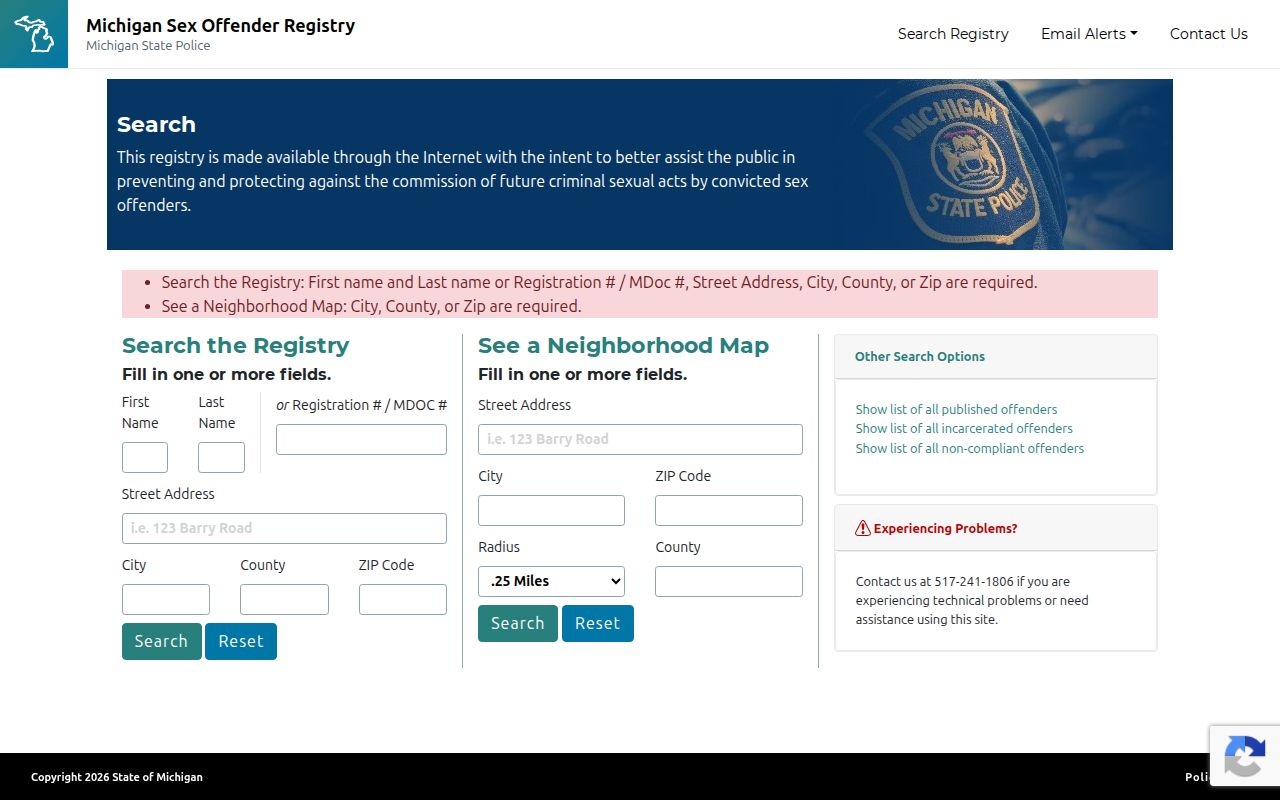
The address and radius options are a registry function, not proof of a household’s private composition.
Dearborn License and Business Clues
A licensing or business record can help distinguish two people with the same Dearborn name. Michigan LARA’s Verify a License service reports a licensee’s profession, status, issue and expiration dates, and discipline information. The MiBusiness Registry can search entities and associated individuals after the 2025 portal change. These records speak to a Dearborn professional or filing relationship, not to a current Dearborn home address.
The best use is corroboration. Match a name, date, profession, or filing address against a parcel, court, or historical-directory fact, then ask the custodian to correct an error in its own record. A certified license verification is available through MiPLUS for $15 per license.
Use the Michigan LARA license reports for the service’s listed fields.
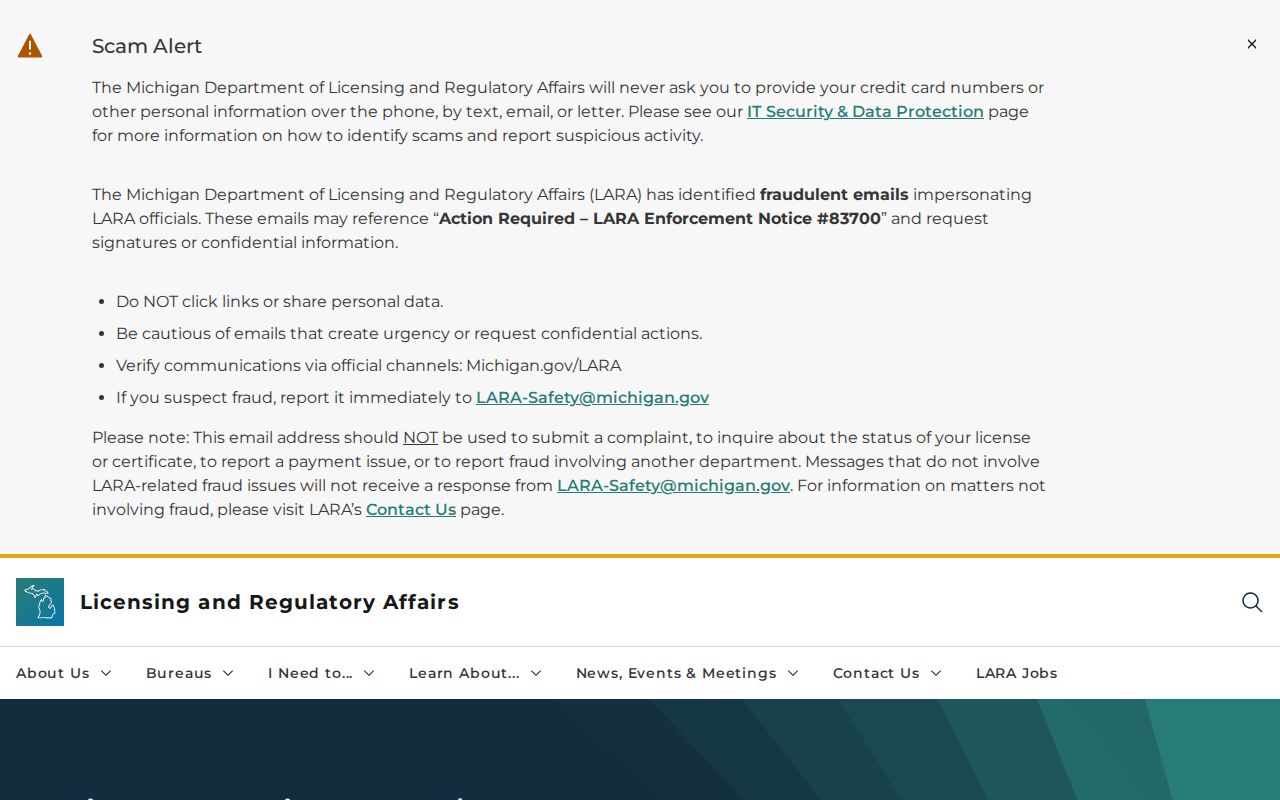
The state report categories illustrate a verification source that should be kept separate from an address record.
Dearborn Residents Privacy Limits
Michigan public-record access has firm boundaries for Dearborn searches. The Address Confidentiality Program provides eligible people at risk of harm with a substitute address and protected Dearborn voter-registration handling. Driver and vehicle personal information is restricted by the federal Driver’s Privacy Protection Act and Michigan Vehicle Code MCL 257.208c. Dearborn court records can be sealed or suppressed, and Dearborn vital records have separate eligibility rules.
Use records lawfully. Dearborn residents directory research can support family history, estate work, civic transparency, and personal safety awareness. It must never be used to stalk, harass, threaten, impersonate, or harm a person.
Note: A missing public record may reflect a legal protection, a different custodian, a date gap, or an incorrect search term.